
High Fashion vs Fast Fashion: What’s Worth It
Oct
Two opposites have arisen in the ever-changing fashion industry: high fashion and fast fashion. Both have their advantages and disadvantages, and they serve distinct market niches. I don’t understand what these terms imply, though. More significantly, how will they affect our surroundings and the clothes we wear?
Balav is pleased to have you here as we explore these and other topics. Our mission at Balav is to provide people with the most exquisite and fashionable high-fashion garments. We believe in creating eco-friendly design statements with an emphasis on high-quality, comfortable materials. In order to assist our readers in making educated judgments on their fashion choices, this blog article seeks to illuminate the high fashion and fast fashion businesses.
Understanding High Fashion
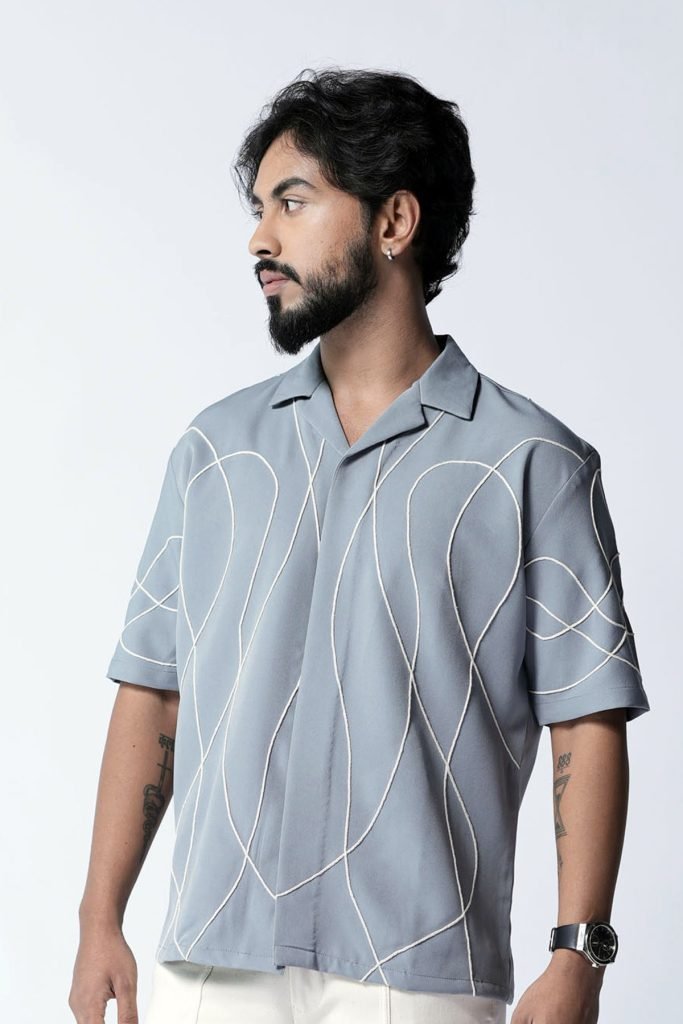
“High fashion,” sometimes referred to as “haute couture,” is the pinnacle of fashion designer artistry. Skilled designers such as Vaishnavi Bala use the best materials to painstakingly make garments, representing the zenith of style and quality. Exclusive and highly sought-after, high-fashion items are frequently one-of-a-kind or manufactured in small batches.
To dive deeper, check out our blog Understanding High Fashion
The Benefits of High Fashion
Quality: High-fashion clothing is meticulously crafted. Every stage, from the initial concept to the final stitches, is carried out with precision to guarantee the highest standards. The use of premium, long-lasting materials ensures these pieces remain timeless and wearable for years.
Distinctiveness: Cutting-edge style is about being truly one-of-a-kind. Designers in this space are unafraid to push boundaries and challenge conventions, resulting in unique, standout creations.
Durability: Thanks to exceptional craftsmanship and classic design, high-fashion items can endure for years, even decades. Their longevity makes them a valuable investment, while also benefiting the environment by reducing the need for frequent replacements.
Cons of High Fashion
High Cost: A high-fashion item’s price tag reflects the superior quality of its construction and the premium materials used. For the typical buyer, these pieces are often out of reach.
Limited Accessibility: High fashion is usually available only in upscale boutiques and showcased at exclusive events like fashion weeks, making it difficult for the average person to access.
Understanding Fast Fashion
The term “fast fashion” refers to a very lucrative business strategy that relies on mass-producing low-quality imitations of high-fashion designs and trends seen on the catwalk. The goal is to get the latest trends available as soon as possible so that consumers may buy them while they’re hot and then, unfortunately, throw them away after only a few uses.
As the saying goes, “don’t be a wallflower;” if you want to be in style, you have to wear the newest trends as they come out. As an integral aspect of the harmful cycle of overproduction and consumption, it has contributed to the fashion industry’s status as a leading global polluter.
Pros of Fast Fashion
More people can afford it: Compared to high fashion, fast fashion is usually significantly cheaper, so more people can buy it. Customers are able to affordably stay trendy without going into debt because of this.
On-trendness: Fast fashion labels are famous for offering customers the chance to dress in the newest styles as soon as they hit the catwalk by duplicating high-fashion designs and trends.
Availability: Global fast fashion giants like Zara and H&M make their wares easily accessible. Fast fashion is now more accessible to people globally, thanks to online shopping.
Cons of Fast Fashion
Quality: Since fast fashion items are mass-produced at low cost to meet the rapid pace of fashion trends, they are frequently of low quality. These garments might not hold up for very long, which would mean you’ll have to keep buying and throwing them out.
Effects on the Environment: The fashion industry’s rapid pace is causing serious damage to our planet. Clothing contributes to pollution and waste due to its quick manufacture and disposal. Not only that, but the fashion sector ranks high among the major water users and contributors to global warming.
Ecology of High Fashion & Fast Fashion
When comparing high fashion to fast fashion, the former usually results in a smaller environmental effect per garment due to its focus on quality and longevity.
Clothes are made to last for years, and the materials used are usually more long-lasting, so you won’t have to buy new ones as regularly. Nonetheless, using expensive materials in the manufacturing of high-fashion clothing can still be a resource-intensive process.
Additionally, not everyone can afford or benefit from high fashion due to its exclusivity and expensive prices.
The Environmental Impact of Fast Fashion
In contrast, the ecological footprint of fast fashion is substantially larger. There is a lot of garbage because there is a never-ending cycle of production and disposal caused by the fast change of trends.
Companies in the fast fashion industry are notorious for using environmentally damaging, low-quality materials. In addition to releasing a lot of greenhouse gases, the manufacturing procedures usually utilize a lot of energy.
Furthermore, fast fashion items frequently wind up in landfills after only a few wears due to their short lifespan. The Ellen MacArthur Foundation reports that every second, one trash truck full of clothing is either burned or disposed of in a landfill.
Deciding on Eco-Friendly Options
Every one of us can shape the fashion business just by choosing what we buy. Our fashion choices can have a lessened effect on the environment if we shop at sustainable and quality-focused brands like Balav.
The Stand of Balav
Here at Balav, we think that high fashion can be a powerful tool for self-expression, provided that it does not compromise environmental sustainability.
We aim to provide the best high fashion clothing while minimizing the downsides because we understand the appeal of both fast fashion and high fashion.
Value and Cost-Effectiveness
We place a premium on quality, just like high fashion. We use high-quality fabrics and meticulous craftsmanship to make sure your outfit will last a long time and fit you well. However,
Long-Term Viability
The effects of the fashion industry, and fast fashion in particular, on the environment are something of which we are quite cognizant. For that reason, our business approach is around sustainability. Through deliberate material and production method selection, we intend to lessen our impact on the environment. We also want our customers to know that they can make a difference by purchasing long-lasting, high-quality items.
Easy Access
We think everyone should be able to afford fashionable, high-quality apparel. We want our clothing to be available to men and women all over the world, which is why we send our products all over the world. Additionally, we have a variety of styles to suit different preferences and events.
Learn about Balav’s eco-friendly high fashion and our dedication to sustainability. Shop Now
In summary,
When it comes to the fashion industry, Balav is the proof that sustainability, style, and quality are mutually exclusive. We hope you’ll join us in choosing eco-friendly clothing that will enhance your style without harming the earth.