

What Is Old Money Fashion? (Simple Guide to the Quiet Luxury Look)
Mar
Old money fashion is a timeless, minimal, and polished way of dressing.
It comes from traditional upper-class European and Ivy League American style, where clothing showed upbringing and refinement, not wealth.
No loud logos.
>No flashy trends.
>No attention-seeking outfits.
The goal: look elegant without trying to look rich.
Today, this same concept is widely called quiet luxury.
Key Features of Old Money Style
Neutral Colors
The color palette stays calm and classic: White, Cream, Beige, Navy, Brown and Olive
Bright neon colours and heavy contrast prints don’t fit the aesthetic.
Tailored Fit
Fit matters more than price.
A well-fitted shirt always looks more premium than an expensive oversized branded one.
Clothing should sit naturally on the shoulders and fall cleanly along the body.
Quality Fabrics
Old money wardrobes rely on breathable, long-lasting materials:
-
Linen
-
Cotton
-
Wool
-
Cashmere
These fabrics age well and don’t look cheap after multiple wears.
Minimal Branding
One clear rule:
If the logo is the main highlight, it isn’t old money fashion.
Elegance comes from simplicity and structure, not brand visibility.
Essential Pieces in an Old Money Wardrobe
You only need a few core items:
-
Neutral shirts (white, blue, beige)
-
Tailored trousers or chinos
-
Knit sweaters
-
Structured blazers
-
Leather loafers
Everything should be easy to mix and repeat.
Why Old Money Fashion Is Popular Now
People are moving away from fast fashion and trend-driven clothing.
They want outfits that:
-
Look mature
-
Last longer
-
Work in multiple situations
Old money fashion provides a reliable everyday style instead of seasonal trends.
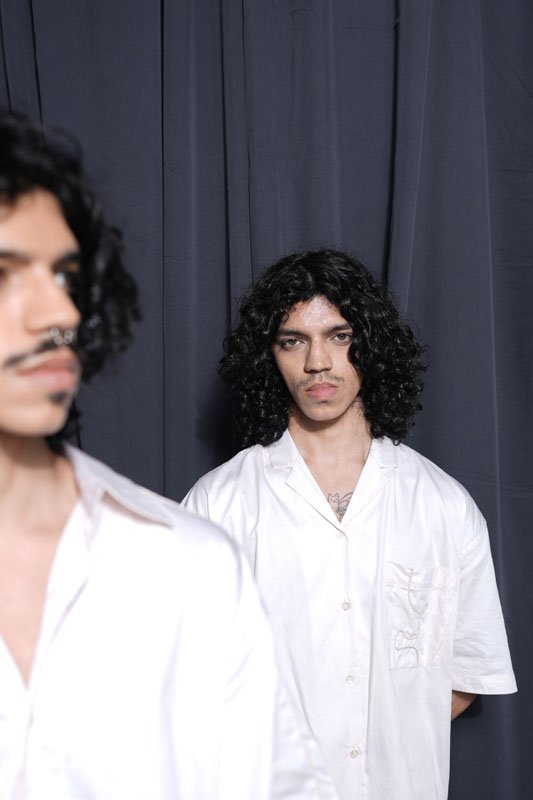
The Foundation Piece: The Shirt
Every old-money outfit begins with a shirt.
It works with everything:
-
Shirt + trousers
-
Shirt + blazer
-
Shirt + sweater
If the shirt looks refined, the entire outfit looks refined.
A proper old-money shirt should include the following:
-
Breathable fabric
-
Structured collar
-
Neutral tone
-
Clean stitching
-
Tailored fit

Build your wardrobe the right way. Start with an Old Money Shirt by Balav. Designed in breathable fabric and classic neutral shades, it delivers effortless everyday sophistication without loud branding.
How to Dress Old Money (Step-by-Step)
-
Wear neutral colors only
-
Choose tailored clothing
-
Avoid logos and graphics
-
Keep footwear simple (loafers or clean shoes)
-
Repeat outfits confidently
Consistency is more important than variety.
Common Mistakes
-
Oversized streetwear fits
-
Shiny polyester fabrics
-
Heavy accessories
-
Graphic prints
-
Chunky sneakers
Old-money fashion is relaxed elegance, not formalwear or streetwear.
FAQs
Why is it called old money style?
It is called old money style’ because it reflects how families with generational wealth traditionally dress. Their clothing focused on etiquette, quality, and refinement instead of showing status through logos or trends.
How to wear like old money?
Wear neutral colours, choose well-fitted clothes, avoid visible branding, and focus on classic pieces like linen shirts, chinos, loafers, and blazers. Keep outfits simple and repeatable.
What is another name for old money fashion?
Another term for old-money fashion is quiet luxury. It is also sometimes called heritage style, classic style, or preppy style.
Why is it called the ‘old money aesthetic?
The term “old money aesthetic” refers to the visual identity associated with generational wealth, clean outfits, calm colours, high-quality fabrics, and understated elegance rather than flashy dressing.
Final Takeaway
Old money fashion is not about expensive clothing.
It’s about timeless dressing habits.
When you choose neutral tones, proper fit, and quality fabrics, your wardrobe stops depending on trends — and your style becomes consistent and confident.